North American Cultural Journeys for Families: Discover, Connect, Remember
This edition’s chosen theme is “North American Cultural Journeys for Families.” Join us as we turn road maps into storybooks, celebrate living traditions, and craft meaningful, age-friendly adventures across the United States, Canada, and Mexico—together.
Age-Friendly Itineraries that Invite Participation
Design days around attention spans and interests: a morning museum with hands-on exhibits, a picnic storytelling break, then a short neighborhood walk. Invite kids to co-create choices, empowering them to lead moments and connect personally with each place.
Seasonal Timing for Festivals and Local Life
Align your route with seasonal celebrations—powwows in late spring, Día de los Muertos in autumn, winter light festivals in Canada. Traveling with the rhythm of communities reveals traditions as they unfold, not just as displays behind glass.
Build Curiosity at Home Before You Go
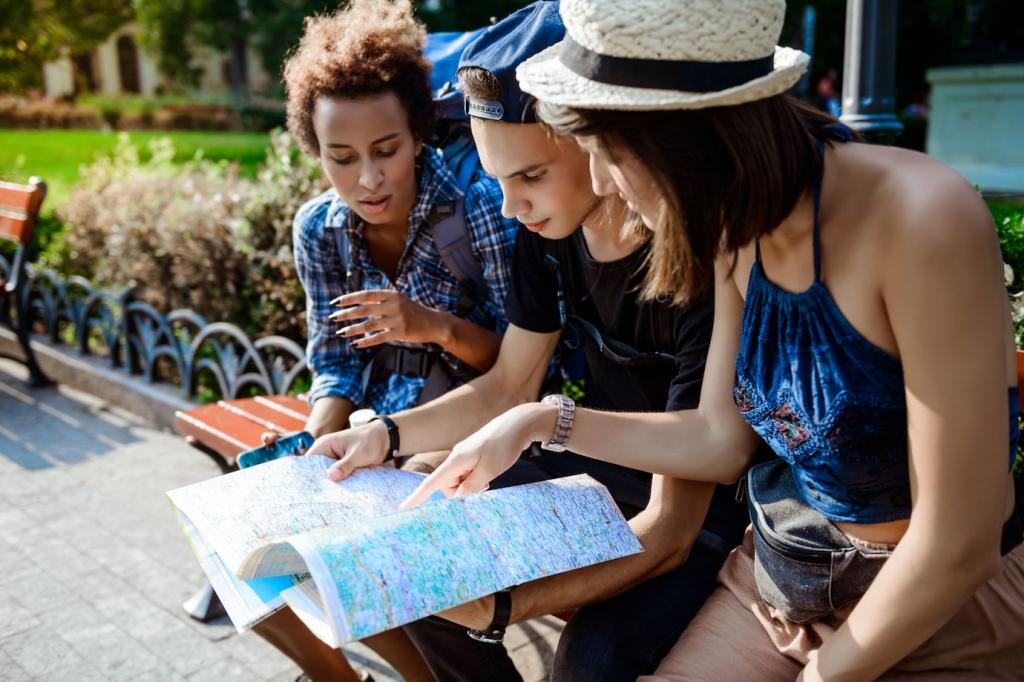
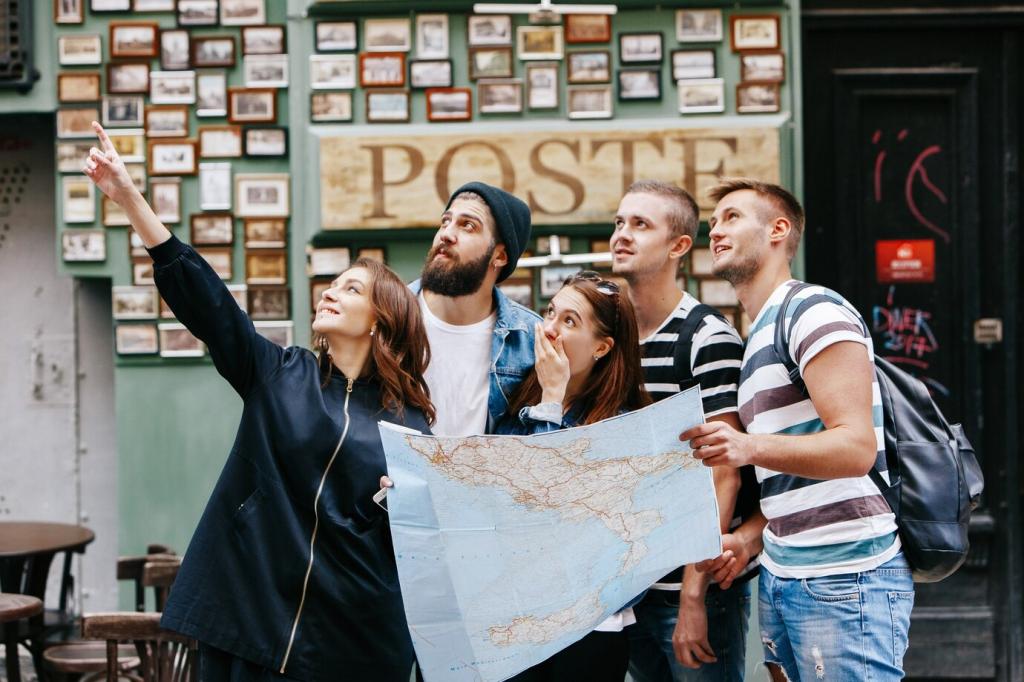
Read picture books, watch short documentaries, and trace routes on a map. Invite children to create question cards for curators, guides, and vendors. Curiosity born at the kitchen table turns into conversations that spark memorable cultural encounters on the road.
Indigenous Voices and Living Heritage
Visit with Respect: Protocols and Preparation
Research community guidelines, photography rules, and appropriate conduct before arriving. Share context with children about sovereignty and living cultures. When in doubt, ask permission and listen first. Respect builds the trust that turns visits into meaningful exchanges.
Powwows, Cultural Centers, and Story Circles
Many communities welcome visitors to public events where dancing, drumming, and craft traditions are shared. Choose community-hosted settings, support local artisans, and stay for story circles. Kids remember the heartbeat of the drum long after the trip ends.
Hands-On Galleries and Family Guides
Look for discovery rooms, maker spaces, and kid-friendly trails. Many museums lend tactile packs with magnifiers, sketchbooks, and conversation prompts. These tools transform exhibits from “look-and-leave” to immersive experiences where children become confident interpreters of culture.
Turn Exhibits into Scavenger Hunts
Create playful missions: find three objects that traveled across borders, sketch a symbol of identity, or interview a staff member about restoration. Scavenger hunts keep energy high and help families interpret complex topics in approachable, memorable ways.
Balancing Big Names with Neighborhood Gems
Pair marquee museums with smaller community collections. After a blockbuster exhibit, visit a local cultural center for context and conversation. Children notice contrasts—grand halls versus intimate galleries—and understand that culture lives at every scale, not only on big stages.
Festivals Where Stories Come Alive
Before visiting altars in Oaxaca or San Antonio, discuss remembrance, symbolism, and consent around photography. Encourage kids to draw a small ofrenda at home. Experiencing public altars becomes a lesson in love, continuity, and family across generations.
Order small plates—pupusas, smoked salmon candy, poutine—and share bites while discussing origins, ingredients, and stories. Invite children to vote for textures, not just flavors. Curiosity grows when tasting is framed as discovery rather than pressure to finish.
Farmers’ markets and street stalls are perfect for kid-sized interviews. Ask vendors about family recipes or regional variations. One taco stand owner in Puebla shared how her grandmother taught salsa by scent, not measurements—a lesson our son now proudly repeats.
Recreate one dish from each region you visit. Keep a family recipe journal with photos, child-drawn labels, and notes on cultural significance. Cooking together preserves travel memories and invites ongoing conversations about heritage and adaptation.
Roads, Rails, and Routes That Connect Cultures
Along the Pacific Coast, pause at immigrant neighborhoods, community museums, and historic fishing piers. Short walks and conversations with locals add texture to sea views. Children learn that every scenic overlook has cultural layers, not only natural beauty.
Roads, Rails, and Routes That Connect Cultures
Follow rail or road routes that trace blues and jazz histories. Visit neighborhood clubs with early family sets, then museums by day. Kids feel rhythms in their bodies and see how sound travels with people, places, and time.
Capture, Reflect, and Share Together
Offer stickers, washi tape, and instant photos to make journaling playful. Prompt entries with questions like “Who taught me something today?” or “What surprised me?” Reflection deepens empathy and cements cultural insights in child-friendly ways.
Capture, Reflect, and Share Together
Record short voice notes after visits, then compile episodes at home with music found on the trip. Sharing voices encourages shy speakers and keeps memories vivid. Invite grandparents to react, adding cross-generational perspectives to your family archive.